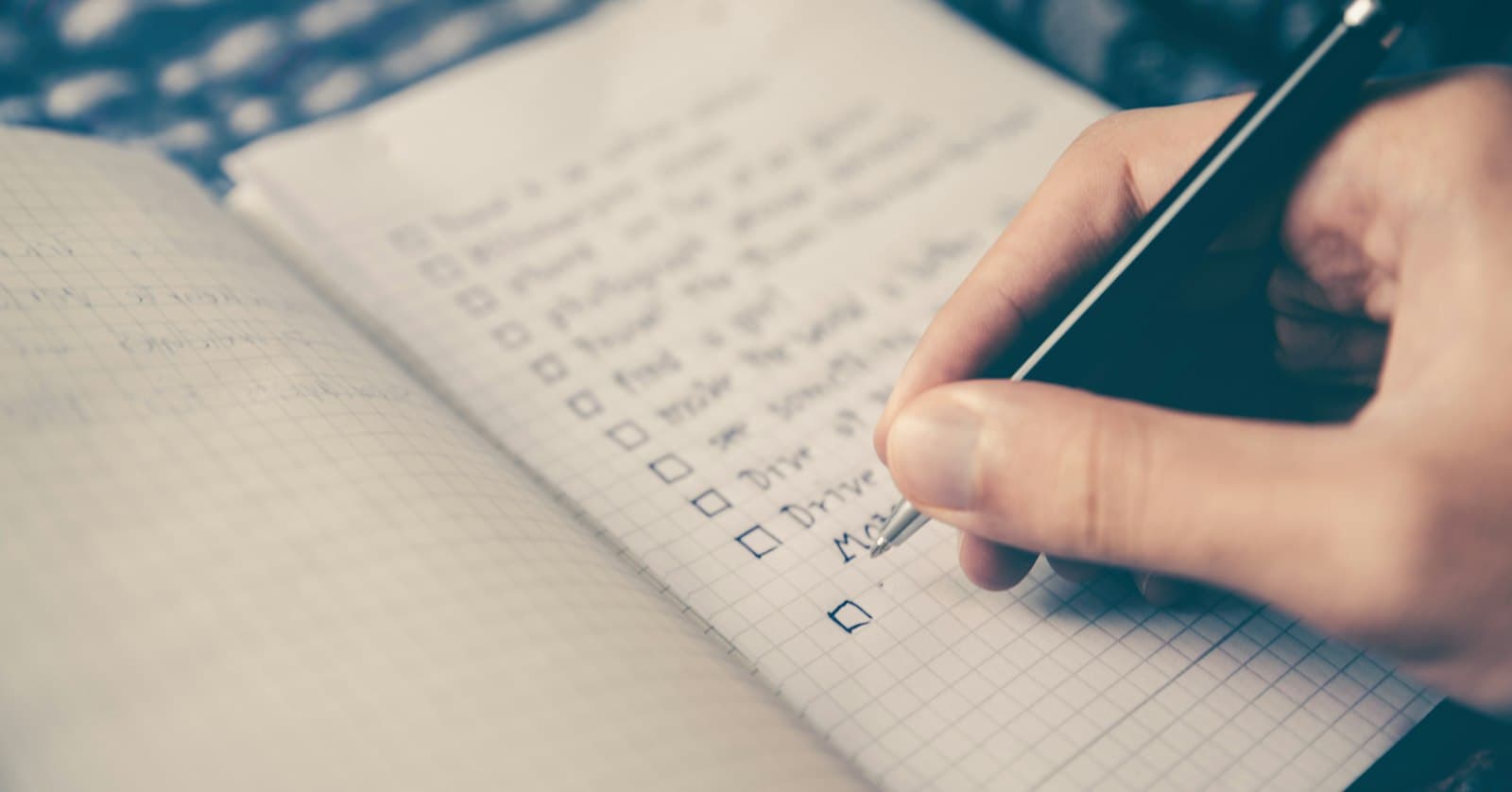
Why most productivity advice is just procrastination in disguise
We optimize systems, buy tools, read books — and call all of that 'preparation'. Spoiler: it isn't.
There's an entire industry built on making you feel productive without actually being productive.
Take any popular advice: use the Pomodoro technique, get your inbox to zero, build the perfect PKM system before writing a single line. It all sounds reasonable. It all feels like progress. And almost all of it is a sophisticated way of avoiding real work.
The problem isn't information
You don't lack information. You know what you need to do. The problem is resistance — that specific discomfort that shows up right before you start something that matters.
The right question isn't "how do I get better organized?" It's "what am I avoiding doing right now?"
Productivity systems work like a low-intensity drug. They give you dopamine without the risk. You end the day having optimized and having created nothing.
What actually happens when we "prepare"
When you say you need:
- —The perfect setup before starting
- —To read one more book on the subject
- —To reorganize your Obsidian notes
- —To find the right app
...you're negotiating with your brain to delay the moment of truth: the moment when you do something that could fail.
The real risk isn't chaos. It's exposure.
The only solution that works
Start before you're ready.
Not because chaos is good, but because clarity comes from doing, not from planning. Every hour you spend designing the perfect system is an hour you don't spend discovering what you actually need.
"Don't wait for inspiration. Action creates the conditions for inspiration." — Honest Anonymous
The writer who waits to have everything figured out before writing never writes. The programmer who designs the perfect architecture before writing a single line always redesigns.
What to do instead
The real two-minute rule: It's not "do it if it takes less than two minutes." It's: start for two minutes even if you think you can't. The beginning is the obstacle, not the full task.
Be deliberately bad at first. Give yourself explicit permission to produce something terrible. The goal of the first session isn't quality — it's breaking inertia.
Measure outputs, not systems. How many words did you write? How much code did you commit? How many clients did you contact? If you can't measure your day's output, you probably spent the day optimizing.
The most honest productivity advice that exists: close all your tabs about productivity and do the thing.
Including this one.